
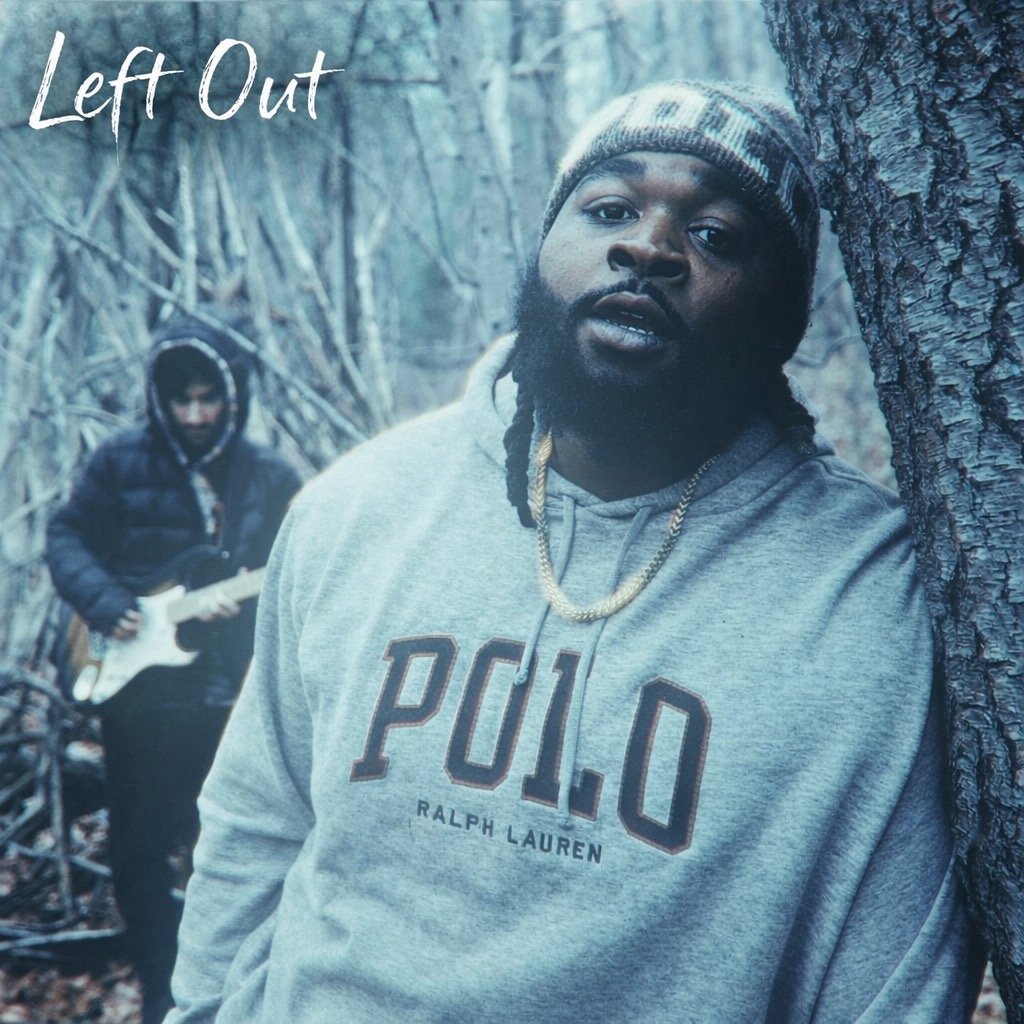
G Mizzo doesn’t make music to fill space. He makes music to sit in it. To live inside moments most people rush past, bury, or soften for the sake of survival. His latest Frank Beats guitar session, “Left Out,” is one of those moments—unfiltered, isolated, and deliberately uncomfortable.
Hip-hop has always had room for hunger, but it also makes space for solitude. “Left Out” lives in that space. The title isn’t symbolic or abstract. To G Mizzo, it’s literal. It’s the emotion of being alone. Of feeling removed from the equation. And it’s something he knows everyone, at some point, has felt.
The song itself was born in confinement. The idea came together while G Mizzo was in jail, a period where that feeling of being left out wasn’t theoretical—it was daily reality. That context matters. Not because it adds drama, but because it explains the restraint in the performance. Nothing here is exaggerated. Nothing is chasing sympathy.
Choosing a guitar-based format instead of a traditional beat wasn’t a stylistic flex. It was instinct. G Mizzo gravitated toward the isolation in the sound. The guitar carried the same pain he was sitting with, and instead of layering over it, he let it stand exposed. In hip-hop, that kind of decision separates records that last from records that just move for a week.
That chemistry was amplified by the presence of Frank Beats. The session worked because the environment allowed it to. No gatekeeping. No ego. Just two creatives aligned. Frank understood the formula and approached the session as both a teacher and a student, making the collaboration feel natural rather than forced.
For first-time listeners, “Left Out” doesn’t offer an easy introduction. It introduces a rugged, melodic side of G Mizzo—singing instead of rapping—but without softening the message. It’s emotional without being fragile. Direct without being dressed up. Something different for the city, but not detached from the culture.
Despite being from Boston, G Mizzo doesn’t frame his sound around regional identity. He isn’t trying to sound like anyone else from his city. His focus is on feeling. On making music that translates no matter where you’re standing when you hear it.
During the performance, the priority was isolation. Everything about the visual supports that. The setting. The blank expression. No smiles. No flash. Looking straight into the camera without breaking character. The scenery didn’t decorate the lyrics—it sharpened them, giving the performance a more sinister, stripped-down edge.
Nothing about the finished guitar session surprised G Mizzo. That was intentional. The vision was already there once the song was done. Everyone involved understood what needed to be communicated, and they executed it without deviation.
“Left Out” doesn’t beg for attention. It doesn’t explain itself twice. It sits with you the way isolation does—quiet, heavy, and undeniable.
And in a genre built on bravado, that kind of restraint still hits the hardest.
Follow G Mizzo – https://www.instagram.com/g_mizzo?igsh=cHc5ZGtvdzF1NXN4